Shopping for a VR viewer and puzzled by vr headset lens types? You choose between Fresnel (light, cheap), pancake (slim, dim) and aspheric (sharpest, heavy). Pick the trade-off you can live with.
This guide belongs to the wider topic of vr gadgets for smartphones, so it focuses on what each lens type means for your choice.
| Item | Value |
|---|---|
| Display light passing through aspherical glass lenses | Up to 99 percent |
| Display light passing through pancake systems | Around 15 percent |
| Horizontal field of view, Meta Quest 3 (pancake) | About 110° |
| Horizontal field of view, Quest 3S and Quest 2 (Fresnel) | About 96° |
| Virtual focus distance in a VR headset | Around 1.5 to 2 meters |
These figures come from heise’s lens overview and Tech Tactician’s October 2026 update. Specifications can change with new headset versions, so check the sources before you rely on them.
What do VR lenses actually do?
A VR lens is any near-eye optical element that takes a display’s close-up, diverging light and converts it into a comfortable, properly focused virtual image, as Apollo Optical’s explainer puts it. Fresnel, pancake and aspheric designs are three different ways of solving that one problem.
heise’s July 2025 overview says the market offers three established lens types: Fresnel, pancake and aspherical. It also concludes that there is still no ideal solution, so every choice trades sharpness, weight, brightness and cost against each other.
The sources used here cover standalone and PC headsets, not phone viewers. Read the named headsets as examples of each lens type, not as phone-viewer advice.
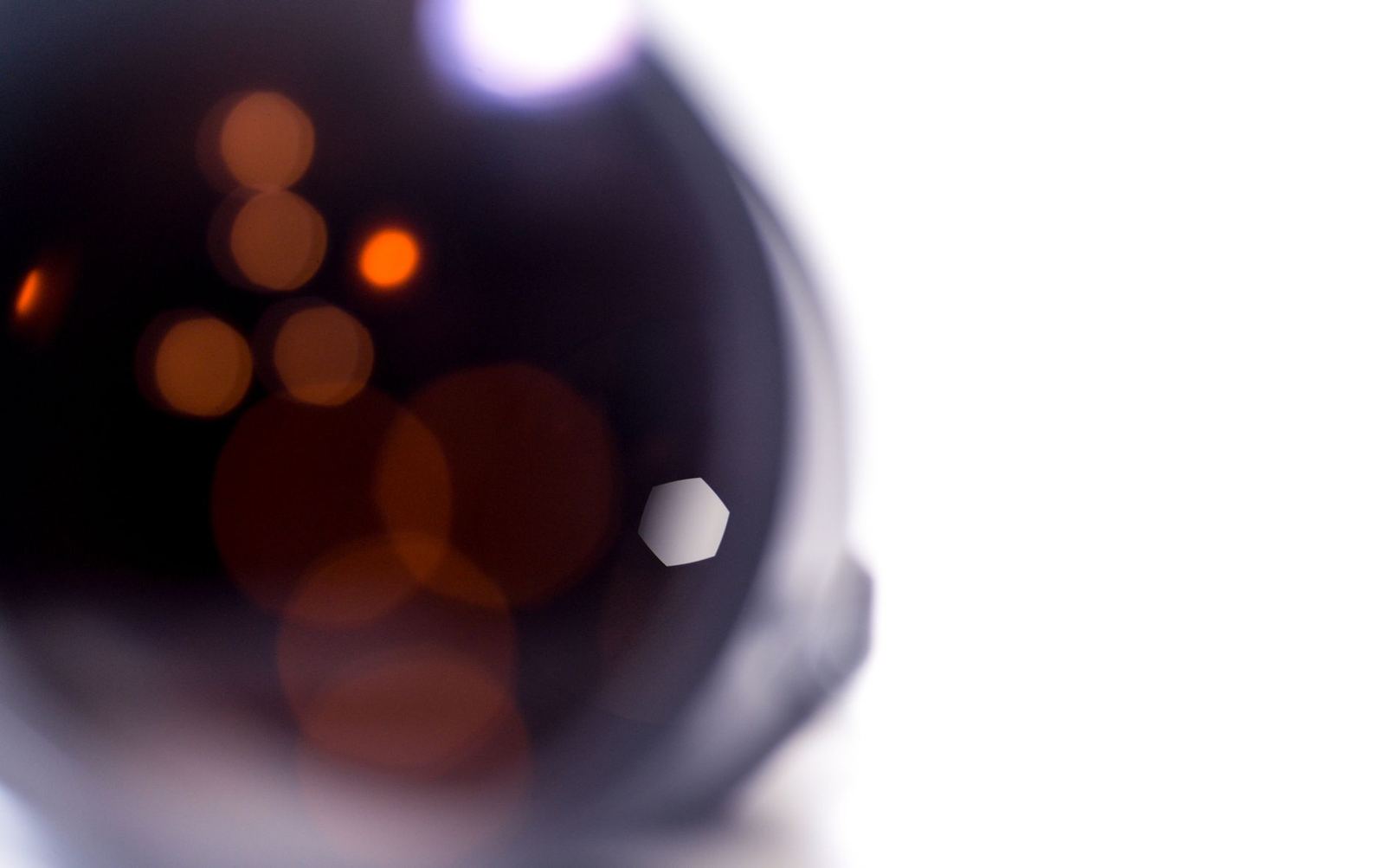
Fresnel lenses: light, cheap and grooved
Fresnel lenses use grooved rings to approximate a thick lens while removing material, according to Apollo Optical. heise adds that the concentric grooves reduce the weight and enable a comparatively wide field of vision.
As of heise’s July 2025 article, Fresnel lenses are found in the Meta Quest 2, the PlayStation VR2 and the Quest 3S. As of Tech Tactician’s October 2026 update, the Quest 3S is the main headset still sold with them.
The same source calls them the cheaper option that was the most popular choice in VR headsets for years. heise, however, describes them as considered technically obsolete.
The grooves cause most of the known weaknesses:
- God rays: ray-like light artefacts in high-contrast scenes, caused by light scattering on the grooves and hard to avoid, per heise.
- Blur towards the edges: the image gets visibly less sharp across the outer field of view, according to Tech Tactician.
- Colour fringing: Fresnel designs are prone to chromatic aberration, which shows as colour edges on objects.
Field of view is no longer a Fresnel advantage either. Tech Tactician lists about 110° horizontal for the pancake-based Quest 3 and about 96° for the Fresnel-based Quest 3S and Quest 2, but notes that eye distance, display size and IPD setting also matter, so the lens type alone doesn’t decide it (source).
Pancake lenses: slim, sharp and dim
A pancake lens uses several mirrors and polarization filters to fold the light path, which allows a flatter design. heise names the Meta Quest 3 and the Pico 4 Ultra as headsets that rely on this principle.
Apollo Optical reports that Meta says the Quest 3’s twin two-element pancake lenses deliver a 40% slimmer optical profile than the Quest 2. That is a manufacturer claim relayed by a lens maker, so treat it as indicative.
Optically, the gains are real. heise says pancake lenses give high sharpness right to the edges and minimize distortion and colour fringing.
The price is light. Aspherical glass lenses pass up to 99 percent of the display light, while pancake systems often achieve only around 15 percent, according to heise. A metrology firm’s 2026 article puts pancake module transmission between 10% and 25%.
Less light means lower brightness, reduced contrast and less vivid colours, especially near the edge of the view. Apollo Optical also notes that partial reflections can create ghost images if stray light isn’t suppressed.
Aspheric lenses: the clearest and the heaviest
heise calls aspherical lenses the highest optical quality variant. They need no groove structure, offer a consistently sharp image and do not cause god rays.
The same report names Pimax’s Crystal series as high-end models that rely on glass lenses with an aspherical shape. A May 2026 interview with Pimax’s communications head adds that these lenses give an especially clear image and let almost all of the panel’s light through.
The downside is bulk. The lenses are heavy and need more space between display and eye, which makes them hardly suitable for compact designs. heise also mentions a slight image distortion during eye movements, called a wobble effect.
Comfort: focus distance, IPD and short-sightedness
According to heise, VR optics set your eyes to a virtual focus distance of around 1.5 to 2 meters, even though displayed objects often look much closer. This constant close work can promote myopia, especially in children and adolescents.
The same report says aspherical lenses are suspected of increasing myopia because of their design. An ophthalmic optician quoted there says pancake lenses should prevent myopia even with continuous use. That is an expert opinion in a news report, not a guarantee.
Practical steps from the same article:
- If you are short-sighted, wear corrective lenses under the headset or buy prescription inserts.
- Look for a stepless IPD setting, so the distance between the lenses matches your own pupils.
- Expect blur and extra eye strain if the IPD deviation is too large.
Which lens type should you choose?
The Pimax executive quoted by SPACE4GAMES says the lens choice follows the use case, not the other way around. Apollo Optical’s comparison shows why:
| Factor | Fresnel | Aspheric | Pancake |
|---|---|---|---|
| Compactness | Moderate | Poor (needs depth) | Excellent |
| Light efficiency | High | High | Lower (multi-pass loss) |
| Cost | Low | Moderate | Higher (precision assembly) |
| Typical use | Budget and older headsets | Depth-tolerant premium units | Slim premium headsets |
Table values are summarised from Apollo Optical. Use them to match a lens to your situation:
- Tight budget: Fresnel. The Pimax executive calls these lenses light and inexpensive but poor in quality, so expect compromises.
- Portable, movies or social VR: pancake. Accept compromises in brightness and colour accuracy for the slimmer design.
- Maximum clarity and simulation: aspheric, if you can tolerate the weight and bulk.
For the wider buying checklist, read how to choose a phone vr headset. Sound matters as much as optics, so it is worth comparing headphones for vr too.
Frequently asked questions
Which VR lens type is best?
Show answer
No single type wins. heise says there is still no ideal solution, so the best lens depends on whether you value sharpness, slimness or price.
Are Fresnel lenses outdated?
Show answer
heise’s report calls them technically obsolete. Even so, Tech Tactician’s October 2026 update says the Quest 3S is still sold with them (source), mainly because they are the cheaper option.
Why are pancake headsets dimmer?
Show answer
Folding the light path adds optical surfaces, and as Pimax’s communications head explains in heise’s report, every additional optical surface absorbs light.
Do VR lenses affect short-sightedness?
Show answer
heise reports that close work in VR can promote myopia and that some aspherical designs are suspected of worsening it. If you are short-sighted, it advises corrective lenses under the headset or prescription inserts.